
 By
By 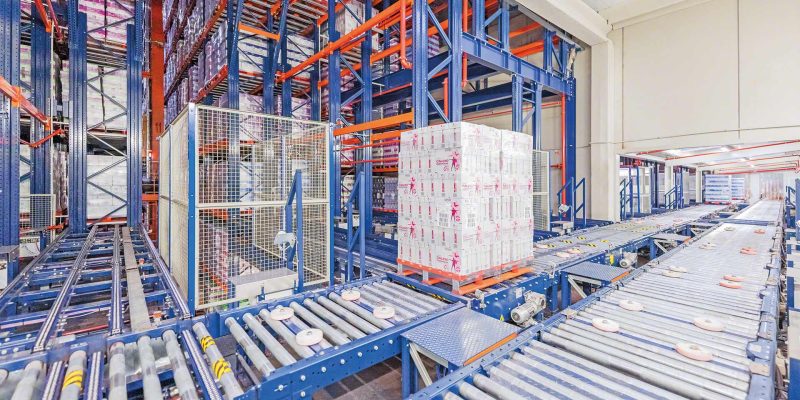
Inventory rarely sits still inside a warehouse. It arrives on trucks, moves toward storage racks, then gets shifted again to packing zones or production areas. Some items might travel across the building several times before finally leaving the facility.
With that much movement, things occasionally go wrong. Boxes tilt. Pallets slide slightly during forklift turns. Sometimes items just shift enough to create problems. In many warehouses, that is exactly when people begin considering solutions like a plastic bulk container to keep products more secure while they move around.
It is not about stopping movement. Warehouses depend on movement. The real goal is keeping products stable while everything around them stays busy.
Inventory damage problems inside busy facilities
Damage inside warehouses often happens in small moments. A forklift turns a little too quickly. A stack of cartons leans slightly during transport. A pallet hits a bump in the floor.
None of these events seem dramatic at first. But if items are stacked loosely, they can shift or fall.
Workers then have to stop, reorganize the load, sometimes collect scattered products. The interruption might only last a few minutes, yet it breaks the flow of work across that area. And those interruptions tend to happen more often than managers expect.
Storage solutions that prevent product shifting
Containers with solid sides help reduce that problem because materials sit inside a structure instead of balancing on top of a pallet.
The container holds the items together while forklifts move them between warehouse zones.
Some practical benefits start appearing during daily operations:
- Products remain grouped during transport
- Loads stay stable even during sharp turns
- Items are less exposed to accidental impacts
- Inventory handling becomes more predictable
None of these changes look dramatic individually. But together they make handling feel easier.
How organized storage improves workflow safety
Organization inside a warehouse affects more than just inventory tracking. It also affects safety. When materials stay inside defined containers, aisles remain clearer. Workers move through storage areas without navigating unstable stacks. Forklifts travel more smoothly because loads feel predictable.
Some facilities prefer pallet systems, others move toward container based storage. The choice often depends on the type of inventory being handled. There is rarely one perfect solution for every operation.
Protecting fragile or heavy components during transport
Certain materials are difficult to move safely. Fragile components, heavy machine parts, or irregular shaped products do not always stack well on pallets.
That is usually when teams start discussing the use of a plastic bulk container for internal transport. Not because pallets stopped working entirely, but because certain items simply need more protection during movement.
And once those materials stay contained during transport, something interesting happens. Workers spend less time fixing shifted loads and more time just… moving inventory. Which is what warehouses are supposed to do in the first place.







Comments