
 By
By 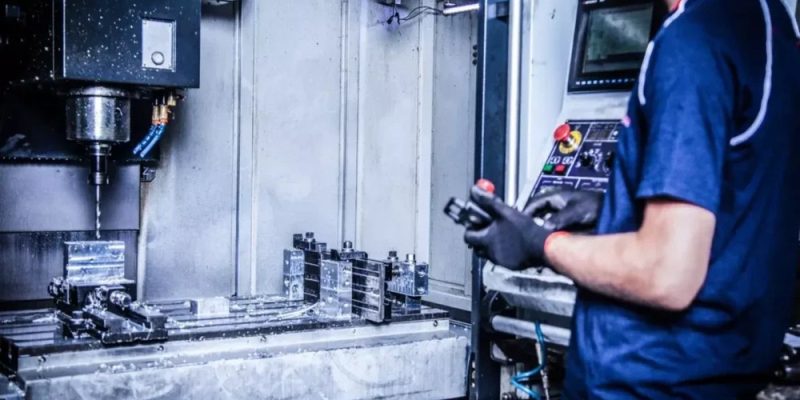
Modern production demands exact output with consistent quality across varied requirements. Precision machining plays a key role in shaping parts that match strict expectations while reducing waste and delays. Manufacturers rely on advanced methods like thailand precision machining to meet unique project goals without excess effort or cost.
Customized Component Design
Every project begins with a clear design that matches purpose and function. Engineers focus on exact measurements so parts fit perfectly within larger systems. Adjustments are made early to avoid errors during production stages. This careful attention helps reduce rework while improving overall quality output.
Flexible Production Adjustments
Production systems adapt quickly to changing requirements without slowing progress. Teams modify settings based on design updates or demand changes. This flexibility allows a better response to shifting needs while maintaining steady output.
- Quick setup changes support faster response to shifting production needs
- Adaptive controls improve accuracy while reducing unnecessary manual adjustments
- Smart monitoring ensures stable output across varying operational requirements
- Efficient planning reduces delays and maintains consistent workflow progression
- Resource balancing improves productivity while controlling operational effort levels
Material Selection Strategy
Choosing the right material improves strength and durability under different conditions. Each material behaves differently under stress, which requires proper evaluation. Selection also affects cost efficiency and long-term performance outcomes. Using the correct option ensures stable production without frequent replacement needs.
Process Control Techniques
Controlled processes ensure steady output with minimal variation across batches. Operators monitor each stage closely to maintain consistent standards. Small changes are applied when needed to keep production aligned with design intent. Many industries rely on thailand precision machining to maintain stable process flow and dependable results.
Surface Finishing Methods
Finishing steps improve the outer layer of components for better function. Smooth surfaces reduce friction and support longer use without damage. Different finishing methods are chosen based on the product’s purpose and usage. This step ensures parts meet both visual and functional expectations effectively.
Adopting focused production methods helps meet strict demands without adding complexity. Careful design combined with smart planning leads to reliable output that supports long-term use. Flexible systems allow quick response to change while maintaining accuracy and stability. By improving coordination across stages, industries achieve better results with less effort.
FAQ
What makes tailored techniques useful for different production requirements today?
Tailored methods improve accuracy while meeting varied production goals with efficiency.
Why is material choice important in achieving long-lasting component reliability?
Correct material selection supports durability while reducing the risk of early failure.
How do process control methods improve consistency across repeated production cycles effectively?
Controlled steps ensure uniform results while minimizing defects during manufacturing processes.






Comments