
 By
By 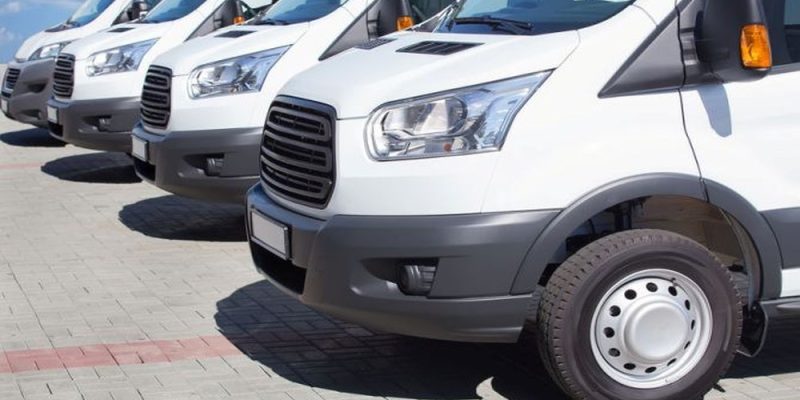
Why this question matters in fleet management
Fleet operators constantly evaluate whether aftermarket upgrades provide real value or just add unnecessary cost. Hub accessories fall into this category because they influence both vehicle appearance and wheel protection. Understanding their practical benefits helps businesses make informed investment decisions.
Do aftermarket hub accessories improve durability?
Yes, when selected correctly, aftermarket hub accessories can enhance wheel protection by reducing direct exposure to dust, moisture, and road debris. This helps slow down corrosion and surface wear, especially in vehicles that operate under frequent long-distance or heavy-load conditions.
Are they only for appearance?
A common misconception is that these accessories are purely cosmetic. While they do improve visual appeal, many modern designs also provide functional benefits such as shielding wheel hubs and supporting cleaner maintenance routines. This combination of function and appearance makes them more practical than they initially seem.
How do they perform in commercial environments?
In commercial use, durability and consistency are critical. Quality aftermarket accessories are designed to withstand vibration, heat, and continuous road stress. However, performance depends heavily on material quality and correct installation. Poor-quality components may loosen or degrade faster under fleet conditions.
What role do they play in fleet standardization?
Fleet uniformity is important for branding and operational efficiency. Standardized hub accessories help maintain a consistent look across multiple vehicles, even if they come from different manufacturers. In many fleet setups, CHEVY WHEEL SIMULATORS are used because they help achieve a uniform wheel appearance while supporting compatibility across select vehicle models.
Do they reduce maintenance effort?
One of the practical benefits is easier maintenance. By covering exposed wheel areas, these accessories reduce the buildup of dirt and grime. This makes cleaning faster and helps maintain a more consistent appearance with less effort, especially for large fleets operating on tight schedules.
Are they cost-effective in the long run?
While aftermarket accessories require an initial investment, they can be cost-effective over time. Reduced cleaning time, lower corrosion risk, and improved visual consistency all contribute to operational savings. However, cost-effectiveness depends on selecting durable, well-fitted products rather than low-quality alternatives.
What should fleet owners consider before buying?
Key considerations include material quality, compatibility with existing wheel systems, installation method, and expected maintenance requirements. Fleet owners should also evaluate how the accessory fits into overall branding and operational goals before making a purchase decision.
Making a practical decision
Aftermarket hub accessories can be valuable when chosen thoughtfully. Their worth depends on balancing durability, appearance, and operational needs. For commercial vehicles, the right choice can support both fleet efficiency and brand presentation.










Comments