
 By
By 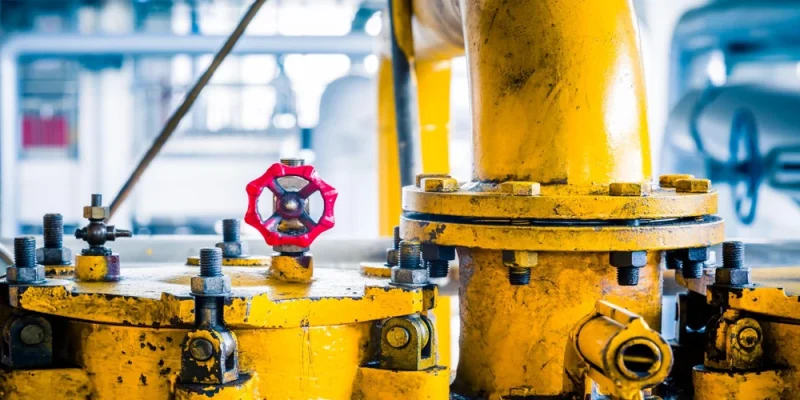
High-pressure processing plants, offshore platforms, and chemical refineries operate under relentless mechanical stress. Controlling volatile media across continuous production lines demands fluid control hardware that eliminates leakage, resists harsh corrosion, and prevents unplanned shutdowns. A single valve failure in a critical manifold or subsea tie-in disrupts operations instantly, triggering massive safety risks and astronomical financial losses.
Engineers prioritising long-term operational integrity frequently rely on heavy-duty flow control systems. However, choosing the right specification requires rigorous technical evaluation. Sourcing heavy-duty systems like Cameron in Singapore involves assessing pressure boundaries, sealing mechanisms, material traceability, and local engineering support. Evaluating these operational parameters ensures your piping infrastructure delivers uncompromised safety and maximum uptime.
Mechanical Integrity: Evaluating Body Ratings and Pressure Classifications
Industrial fluid control systems encounter massive pressure surges and severe temperature fluctuations. Standard commercial valves fail quickly when subjected to thermal expansion or rapid pressure differentials. Engineers must verify that every component matches or exceeds specific American Society of Mechanical Engineers (ASME) or American Petroleum Institute (API) working pressures.
Specialised models, such as DEMCO resilient-seated butterfly valves or DM series gate valves, reveal exceptional pressure containment capabilities.
| Valve Line / Design | Pressure Ratings & Working Standards | Primary Application Strengths |
| DEMCO Butterfly Valves | ASME Class 150 (285-psi nonshock) | Lightweight wafer and lug designs providing bidirectional bubble-tight shutoff. |
| DEMCO DM Gate Valves | ASME Classes 400-1500; API 2000-7500 psig | In-line field repairability engineered for abrasive drilling mud and standpipe manifolds. |
| Fully Welded Ball Valves | ANSI 150-2500; API 2000-10,000 | Seamless spherical forging that eliminates body flange leak paths in high-pressure lines. |
Checking body casting ratings against maximum surge limits ensures your processing lines absorb severe pressure spikes safely.
Sealing Excellence: Stem Design and Fugitive Emission Control
Environmental safety regulations mandate strict limits on volatile organic compound (VOC) emissions across chemical and energy facilities. Stem packing degradation accounts for a huge percentage of fugitive leaks in industrial plants. Advanced valve designs solve this vulnerability through innovative packing geometries and self-energising seal rings.
High-performance ball and gate valves utilise double-block-and-bleed (DBB) capabilities, allowing operators to verify seat integrity under full line pressure. Furthermore, selecting ISO 15848-1 certified low-emission stem seals prevents toxic chemical weeping and reduces environmental compliance penalties. Working with certified stockists of Cameron in Singapore guarantees access to factory-tested sealing trims engineered for volatile hydrocarbon containment.
Maintenance Accessibility: Minimising Downtime Through In-Line Serviceability
Total cost of ownership depends directly on how easily maintenance teams can service or overhaul internal components. Removing heavy flanged valves from a welded pipeline requires extensive rigging, hot-work permits, and multi-day production shutdowns.
Engineers favour through-conduit gate valves and top-entry models specifically for their in-line repairability. Bonnet removal allows technicians to inspect seats, replace stem packings, or install new gate trims directly inside the pipeline without unbolting structural flange connections. This simplified maintenance framework cuts repair times from days to hours, keeping operational overheads low.
Sourcing Security: Local Stock and Technical Support
Even the world’s most reliable mechanical hardware requires routine maintenance kits, replacement seats, and technical field assistance over its operational lifespan. Sourcing critical valves through unauthorised grey-market channels introduces counterfeit risks, uncertified metallurgy, and long lead times for spare parts.
Partnering with a reliable industrial solutions provider guarantees authentic material test reports (MTRs), direct manufacturer warranties, and immediate access to regional warehouse inventory. Local technical support ensures rapid field service dispatch, helping plant managers execute emergency overhauls smoothly.
Delivering Uncompromising Industrial Safety
Achieving long-term plant reliability requires choosing fluid control hardware built for extreme conditions. Evaluating pressure ratings, sealing performance, in-line serviceability, and distributor support equips engineering teams to build resilient piping networks.
Investing in certified, high-grade valve systems protects your personnel, secures your capital assets, and maintains uninterrupted processing performance year after year.
Frequently Asked Questions
What makes DEMCO gate valves suitable for abrasive drilling fluids?
DEMCO gate valves feature heavy-duty elastomeric seats, flexible trim offerings, and rugged internal gate designs that resist erosion from high-velocity drilling mud and abrasive slurries.
What is the advantage of a fully welded ball valve over a bolted-body valve?
A fully welded body eliminates external bolted flanges, removing potential leak paths and reducing overall valve weight while increasing resistance to pipeline bending stresses.
Why is in-line repairability important for critical pipeline valves?
In-line repairability allows maintenance crews to replace worn internal seals and trims without cutting the valve out of the line, saving massive labour costs and reducing operational downtime.
Contact OTOM Services today to source authentic, fully certified Cameron valve solutions engineered for your most demanding industrial application




Comments