
 By
By 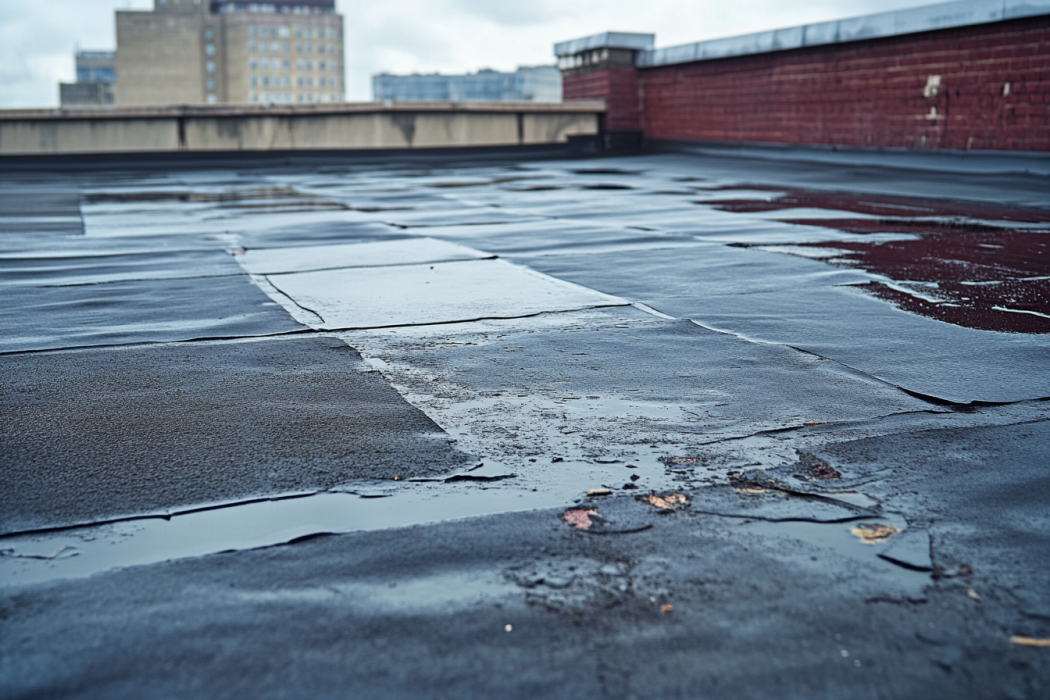
Most commercial property owners can remember the moment they first noticed something was off with the roof. Maybe it was a slow drip during a late afternoon storm. Or a tenant casually mentioned a water stain that was not there last month. It rarely feels urgent right away.
That pause is where trouble starts.
Delaying commercial emergency roof repair often leads to bigger problems than people expect. Not just higher repair costs, but damage that reaches deep into the building, disrupts business, and complicates insurance claims in ways no one enjoys dealing with.
Small Roof Problems Rarely Stay Small
Commercial roofs are built to last, but they are not invincible. A single tear in a membrane or a loose flashing might not look dramatic, especially from ground level. Still, water does not need much space to work its way inside.
Once moisture gets through, it spreads. Insulation holds water like a sponge. Wood decking can soften over time. Even steel components can begin to corrode if the problem lingers.
In Dallas, where storms can roll in fast and without much warning, emergency roof repair Dallas contractors often see buildings where a simple patch would have done the job weeks earlier. Instead, they are now dealing with soaked interiors and multiple layers of damage.
How Delays Disrupt Day to Day Operations
Roof damage does not stay neatly above the ceiling tiles. It interferes with how a business runs.
A warehouse with leaks may need to move inventory to avoid water damage. Office spaces can lose sections due to ceiling collapse risks. Retail stores sometimes close off aisles or entire areas, which hurts sales and customer trust.
Even when operations continue, distractions add up. Staff deal with buckets, fans, and temporary fixes instead of their actual work. Tenants start asking questions. Some begin looking for other locations.
A fast commercial emergency roof repair can often prevent these disruptions altogether.
Hidden Structural Damage Is the Most Expensive Kind
The most costly roof damage is usually the kind no one sees right away. Water follows gravity and structure lines, seeping into places that stay hidden for months.
By the time stains appear on walls or ceilings, the damage has often moved far beyond the original leak. Roof decking weakens. Support beams may start to rot. Mold can form in insulation or wall cavities.
At that point, repairs become invasive. Crews may need to remove large roof sections just to access the affected areas. What could have been a controlled repair turns into a major project.
Insurance Companies Pay Attention to Timing
Insurance coverage is another area where delays cause real problems. Most commercial property policies require owners to act quickly once damage is discovered.
If there is evidence that roof issues were ignored, insurers may push back. Claims can be reduced or denied altogether, especially if adjusters believe the damage worsened over time.
Delayed repairs can lead to:
- Partial coverage for interior water damage
- Disputes over whether the damage was sudden or long-term
- Requests for maintenance records that may not exist
When emergency roof repair Dallas professionals respond early, they often document damage and temporary solutions, which helps support insurance claims later.
Safety Risks Grow the Longer Repairs Are Put Off
Water intrusion brings safety concerns that go beyond property damage. Wet floors increase slip hazards. Ceiling materials can weaken and collapse without warning. Electrical systems exposed to moisture raise fire and shock risks.
In buildings with employees, customers, or tenants, these risks matter. Liability claims are far more expensive than timely roof repairs. Addressing issues quickly shows that the property owner took reasonable steps to protect everyone inside.
Emergency Repairs Are Often More Affordable Than Expected
There is a common fear that calling for emergency services automatically means extreme costs. In many cases, the opposite is true.
Emergency repairs usually focus on stopping the damage from spreading. Sealing leaks, replacing damaged sections, and reinforcing vulnerable areas can stabilize the roof and buy time for future planning, which is why emergency roof repair Dallas services are critical after sudden storms or unexpected damage. Acting quickly helps protect the structure and prevents more costly repairs later on.
When handled early, commercial emergency roof repair is often far less expensive than dealing with interior restoration, mold remediation, and structural repairs later on.
Dallas Weather Leaves Little Room for Delay
Dallas weather has a way of testing roofs at the worst times. Hailstorms, high winds, and heavy rain can turn a minor issue into a serious failure overnight.
Property owners who act quickly after storms tend to avoid the worst outcomes. Those who wait often end up calling during peak demand, when damage is already extensive, and schedules are tight.
Taking the Sensible Next Step
Roof problems rarely fix themselves. Waiting usually shifts the cost from manageable to overwhelming. Acting early protects the building, the people inside it, and the investment tied to the property.
For owners or managers who suspect roof damage or notice warning signs, reaching out to a qualified commercial roofing professional sooner rather than later can make a meaningful difference. A timely inspection and emergency repair plan can prevent unnecessary losses and keep business moving forward without major interruptions.






Comments