
 By
By 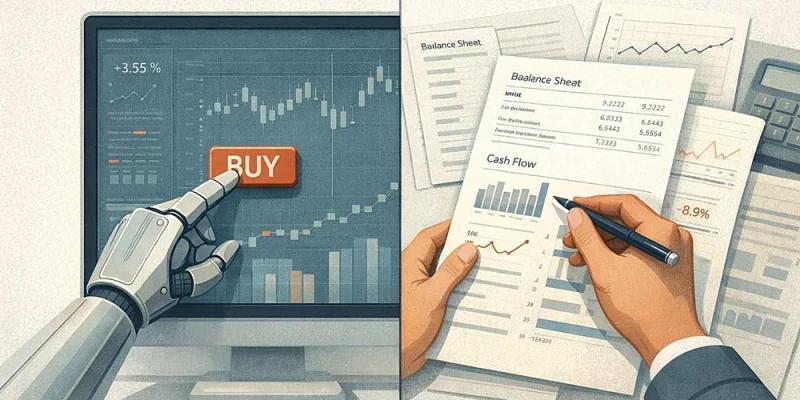
A Trading App can give users access to stock prices, charts, order placement, holdings, funds, and account information from one digital interface. But the quality of a platform should not be judged only by how modern it looks or how quickly an order can be placed.
The stronger comparison focuses on whether the app supports the user’s actual market activity. A long-term investor may need clear holdings and research information, while an active trader may care more about execution speed, charts, alerts, and position monitoring. Costs, security, reliability, and customer support matter to both.
Start With Your Main Use Case
Before comparing platforms, decide what you expect to do most often.
Your priorities may differ if you mainly want to:
- Build a long-term portfolio
- Trade frequently
- Review company information
- Track existing holdings
- Access derivatives
The platform should fit that workflow.
An app designed for active trading may feel unnecessarily complex to someone who places only a few long-term orders each year.
Order Placement Should Be Easy to Verify
A good order screen should clearly show:
- Security selected
- Quantity
- Price
- Order type
- Available funds
Users should be able to review these details before confirming.
A fast interface is useful, but clarity is more important than speed.
An accidental quantity or wrong order type can create a much larger problem than a few extra seconds spent reviewing the trade.
Market and Limit Orders Need Clear Labels
A market order generally prioritises execution at available prices.
A limit order allows the user to define a preferred price.
These behave differently.
During fast-moving conditions, a market order can execute at a price that differs from the last visible quote.
A limit order offers price control but may remain unfilled.
The app should make the distinction obvious.
Brokerage Is Only One Cost
Many users compare trading platforms mainly on brokerage.
That can be useful, but other applicable charges may also matter.
These can include:
- Exchange-related charges
- Taxes
- Regulatory charges
- Depository-related costs where applicable
The complete cost depends on what and how often the user trades.
A low headline fee does not automatically mean the platform is cheapest for every user.
Research Features Should Help Organise Decisions
Some apps provide:
- Company financials
- Ratios
- News
- Screeners
- Watchlists
- Charts
These features can reduce research time.
However, they should support analysis rather than replace it.
A platform-generated signal should not automatically become a reason to buy or sell.
Users still need to evaluate whether the company, valuation, and risk fit their own strategy.
investment Decisions Should Remain Separate From App Convenience
A Trading App can make investment activity easier to execute, but it should not determine what the user owns.
For long-term positions, the decision may require reviewing:
- Business quality
- Financial performance
- Valuation
- Portfolio allocation
- Risk
A well-designed app can improve access and organisation.
It cannot replace the reasoning behind the allocation.
Portfolio Views Should Show More Than Profit and Loss
A useful holdings screen should help users understand:
- Quantity
- Average purchase price
- Current value
- Allocation
- Overall portfolio structure
Looking only at daily profit or loss can encourage short-term reactions.
Long-term investors benefit more from understanding where capital is concentrated and whether the portfolio still matches the original plan.
Active Traders Need More Detailed Position Information
Frequent traders may need quick access to:
- Open positions
- Realised profit or loss
- Unrealised profit or loss
- Order status
- Available funds
These details should be easy to find during market hours.
A trader should not have to move through several screens to understand current exposure.
App Stability Is a Practical Risk Factor
An app may work well during quiet periods and struggle when market activity rises.
This can become a problem when a user needs to:
- Place an order
- Modify an order
- Exit a position
- Check available funds
Technical reliability should therefore be part of the platform comparison.
Advanced tools are of limited value if the app becomes difficult to use when activity increases.
Security Should Be Non-Negotiable
A trading platform can provide access to both money and securities.
Users should expect appropriate security measures such as:
- Secure login
- Device verification
- Additional authentication where available
- Session controls
Users should never share passwords, OTPs, or PINs with unknown individuals.
Security should remain a priority even when the platform is familiar.
Customer Support Matters More Than It Seems
Most users may not contact support often.
But when an issue occurs, access to clear official assistance becomes important.
Common problems can include:
- Order status
- Account access
- Fund transfer issues
- Charges
- Holdings discrepancies
A platform should provide verified support channels that are easy to locate.
Notifications Should Be Configurable
Trading apps may send alerts for:
- Price movement
- Order execution
- Account activity
- Promotional offers
Some alerts can support the user’s strategy.
Too many can create distraction and encourage unnecessary action.
Users should be able to choose which notifications matter to them.
Watchlists Can Support Better Patience
A watchlist allows users to monitor a company without buying immediately.
This can help track:
- Price
- Earnings
- News
- Valuation
The ability to observe first can improve research discipline.
Not every interesting stock needs to become an immediate position.
Advanced Tools Should Match Experience
Some platforms offer:
- Technical indicators
- Multi-timeframe charts
- Drawing tools
- Market depth
These can be useful for experienced traders.
Beginners may benefit more from a clear interface and simpler information.
More tools do not automatically create better decisions.
Long-Term Users Should Think Beyond Signup Offers
Temporary promotions can make one platform look attractive.
A better comparison asks what the app will be like after several years of use.
Useful questions include:
- Are charges transparent?
- Is the platform stable?
- Are holdings easy to review?
- Is support reliable?
- Is account security strong?
Long-term usability matters more than a short-term benefit.
Account Setup Should Support the Full Market Workflow
Users planning to Open Demat Account Online should review how the demat account, trading account, and linked bank relationship work together.
They should also compare applicable charges, security, statements, settlement visibility, and how easy it is to manage holdings after the account becomes active.
A simple signup process is useful, but the account infrastructure matters long after onboarding is complete.
Conclusion
A Trading App should be evaluated on how well it supports the user’s actual market activity.
Order clarity, research tools, costs, portfolio visibility, active-position information, platform stability, security, notifications, and customer support all matter. The strongest platform is not necessarily the one with the most features, but the one that makes market participation easier to understand and manage.
A good app should support disciplined decisions rather than become the reason for unnecessary trading.
FAQs
1. What should I check before choosing a Trading App?
Compare costs, order controls, security, app stability, portfolio tracking, research tools, and customer support.
2. Is low brokerage enough to choose a trading platform?
No. Reliability, security, support, and other applicable charges should also be considered.
3. Why does app stability matter?
An unstable platform can make it harder to place, modify, or exit orders during active market periods.
4. Do beginners need advanced charts?
Not necessarily. Beginners may benefit more from clear order screens, transparent charges, and simple portfolio tracking.
5. Should a trading app influence what I invest in?
The app should support execution and research, but investment decisions should still be based on the user’s goals, risk profile, and analysis.





Comments