
 By
By 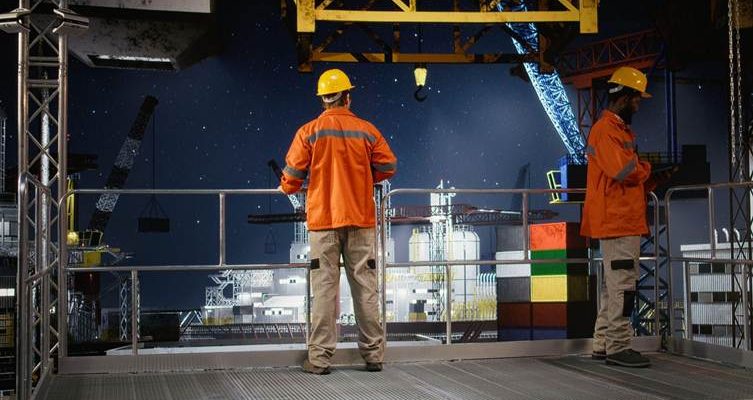
Key Highlights
- Contrast the extreme sensitivity to vibration and contamination in semiconductor transport with the massive scale of oil and gas equipment.
- Understand the different requirements for environmental control, from cleanroom standards to heavy-weather protection.
- Compare the speed and precision of high-tech supply chains with the complex project-based timelines of energy infrastructure.
- Identify the specialised handling equipment needed for each sector, from air-ride suspension to heavy-lift cranes.
Introduction
In the world of global trade, not all cargo is created equal. Two of the most demanding sectors are high-tech electronics and heavy energy infrastructure. While both require professional handling, the actual requirements for semiconductor logistics are worlds apart from those of oil and gas logistics. One deals with the microscopic and the highly fragile, where a single speck of dust or a minor jolt can ruin a multimillion-dollar shipment. The other deals with the titanic and the rugged, where the primary challenges are weight, volume, and extreme environmental conditions. For logistics providers, moving between these two worlds requires a total shift in equipment, mindset, and safety protocols. Understanding these differences is essential for manufacturers and project managers who need to choose the right partner for their specific industrial needs.
1. Sensitivity to Vibration and Impact
Semiconductors and the machinery used to make them are among the most delicate items ever transported. Even the slightest vibration from a standard truck engine or a bump in the road can misalign sensitive optical components or crack silicon wafers. Consequently, semiconductor logistics relies heavily on air-ride suspension vehicles and specialized shock-absorbing packaging. In contrast, oil and gas logistics involves components designed for the harshest environments on earth. While precision is still important, the primary concern is the sheer physical stress of moving thousands of tonnes. The focus here is on the structural integrity of the lifting gear and the security of the lashing, ensuring that massive pipes and valves do not shift during a sea voyage or a long-haul road trip.
2. Environmental and Contamination Controls
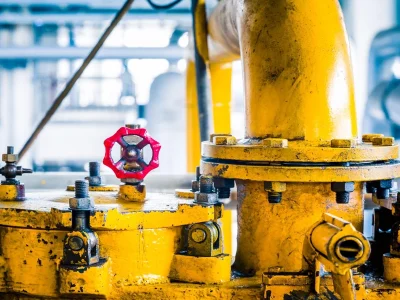
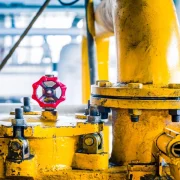
The environment in which these two types of cargo travel is another major point of divergence. Semiconductor components often require “cleanroom” conditions even during transit. This means they must be vacuum-sealed and transported in moisture-controlled, dust-free environments to prevent any contamination. On the other hand, the primary environmental challenge for oil and gas logistics is protection against the elements. Equipment destined for offshore rigs or desert refineries must be protected from salt spray, extreme UV exposure, and sand. While both sectors use protective barriers, the semiconductor industry focuses on microscopic purity, whereas the oil and gas industry focuses on preventing large-scale corrosion and physical weathering.
3. Scale of Equipment and Handling Gear
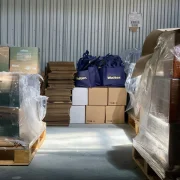
The physical size of the items being moved dictates the type of equipment used by the logistics provider. Semiconductor logistics often involves smaller, high-value boxes or medium-sized crates that require precision handling with specialized pallet jacks or small, electric forklifts. The goal is “soft-touch” handling. Conversely, oil and gas logistics is the realm of the “Project Cargo” specialist. It requires massive multi-axle trailers, heavy-lift cranes, and bespoke wooden crating that can support the weight of a small house. The logistics of moving a 50-tonne heat exchanger through city streets or onto a barge is a feat of engineering that requires detailed route planning and police escorts, a level of scale rarely seen in the electronics sector.
4. Supply Chain Pacing and Urgency
The “rhythm” of the supply chain also differs significantly. The semiconductor industry operates at a lightning-fast pace, with short product lifecycles and high-frequency shipments. Any delay in the arrival of a batch of chips can halt production lines at major tech companies, leading to massive financial losses. This requires a logistics network built for speed and real-time tracking. Oil and gas logistics, however, is often driven by long-term project milestones. Moving a rig or setting up a refinery is planned months or even years in advance. The urgency here is not necessarily about daily speed but about hitting critical “windows” for installation. A delay in an oil and gas shipment is often measured by its impact on a multi-billion dollar construction schedule rather than a retail launch.
Conclusion
While both semiconductor and energy logistics are essential to the global economy, they require fundamentally different skills and equipment. One demands the precision of a surgeon, while the other requires the strength of a titan. Recognising these distinctions allows businesses to better vet their service providers, ensuring that their valuable cargo—whether it is a tiny processor or a massive drilling component—is handled with the specific care it requires. Choosing a partner who can master these diverse requirements is the key to a resilient and efficient industrial supply chain.
Whether you are moving high-tech components or heavy industrial machinery, you need a partner who understands the unique demands of your industry. We offer tailored solutions for both semiconductor logistics and oil and gas logistics to ensure your cargo arrives safely. Contact Sin Chew Woodpaq today to discuss your next project.





Comments