
 By
By 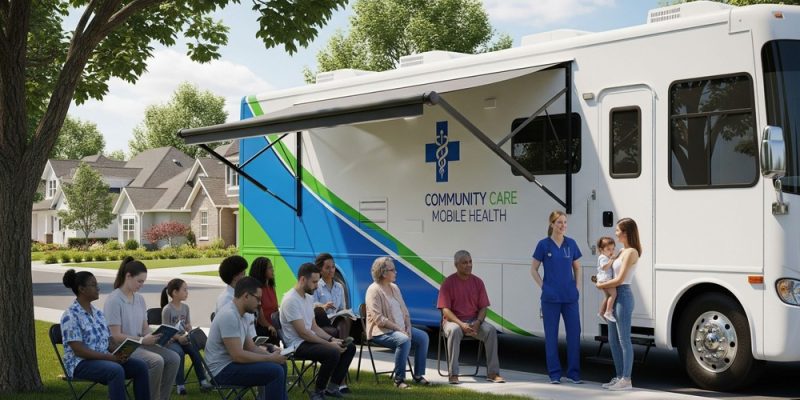
Access to healthcare remains a major challenge in many parts of the world, especially in rural and underserved areas. Limited infrastructure, lack of medical facilities, and long travel distances often prevent people from receiving timely care. Mobile clinics have emerged as an effective solution to address these issues by bringing healthcare services directly to communities in need. These efforts show how mobile clinics fixing healthcare access gaps can deliver essential medical services, improve early diagnosis, and ensure more equitable healthcare access for populations that might otherwise be left behind.
What Are Mobile Clinics?
Mobile clinics are specially equipped vehicles or portable units that deliver medical services to different locations. They are designed to provide basic healthcare, preventive services, and sometimes specialised treatments.
These clinics can travel to remote areas, urban neighbourhoods with limited access, and regions affected by emergencies. By operating on flexible schedules, they ensure that healthcare reaches populations who might otherwise be excluded.
Improving Access to Essential Services
One of the primary roles of mobile clinics is to improve access to essential healthcare services. They offer services such as general check-ups, vaccinations, maternal care, and basic diagnostic tests.
By reducing the need for long-distance travel, mobile clinics make it easier for individuals to seek medical attention. This is particularly beneficial for elderly patients, children, and those with limited mobility.
Supporting Preventive Healthcare
Mobile clinics play a significant role in promoting preventive healthcare. Regular screenings and early detection of diseases can help reduce the risk of serious health complications.
Health education is also a key component. By spreading awareness about hygiene, nutrition, and disease prevention, mobile clinics empower communities to take better care of their health.
Reaching Underserved Populations
Many communities lack access to permanent healthcare facilities due to geographic or economic barriers. Mobile clinics help bridge this gap by reaching underserved populations.
They are especially useful in rural areas, disaster zones, and low-income communities. By providing consistent and reliable services, they help reduce healthcare inequalities and improve overall public health outcomes.
Cost-Effective Healthcare Delivery
Mobile clinics are often more cost-effective compared to building and maintaining permanent healthcare facilities in remote areas. They allow healthcare providers to serve multiple locations using shared resources.
This approach helps optimise costs while ensuring that essential services are delivered efficiently. It also allows organisations to expand their reach without requiring significant infrastructure investments.
Enhancing Community Trust
Another important benefit of mobile clinics is the trust they build within communities. Regular visits and direct interaction with healthcare professionals create a sense of reliability and comfort.
When people feel supported and understood, they are more likely to seek medical help and follow treatment recommendations. This trust contributes to better health outcomes in the long run.
Conclusion
Mobile clinics play a vital role in improving healthcare accessibility by bringing services directly to those in need. Through increased access, preventive care, and community engagement, they help address gaps in the healthcare system. As healthcare demands continue to grow, mobile clinics are becoming an essential part of delivering inclusive and effective medical services.







Comments